How to Get Gallery Representation: A Curator’s Guide for Artists

Gallery owners and curators receive solicitations from artists all the time to show their work. As a professional gallery, we uphold the highest standards for artists we bring on, who help shape the region as the finest and most trusted professional creators.
In the 2026 Sparks Gallery artist survey, 38 artists told us what stands between them and more sales. The most common answer was gallery representation. They wrote “getting accepted into a gallery” and “introduction to gallery owners and curators.” They described gallery relationships as nebulous and frustrating.
I've spent 13 years on the gallery side. I sent rejection letters to artists for all of those years, and a rejection letter may not always give a reason. The artist walks away not knowing what to do next, and I feel for them. Instead of writing endless rejection letters, I decided to create a community where artists can find the next steps.
Our mission at Sparks Gallery is to educate and serve both artists and collectors. For artists, that means building confidence along with their materials.
What a Curator Decides in the First Few Seconds:

A curator makes a decision about the work within the first few seconds of seeing the materials. I know this moment intimately.
The images come first. A sharp, evenly lit photograph of each piece and the artist's studio photo immediately tells a curator that the artist takes the work seriously. A phone photo with a crooked edge or a car selfie tells the curator the opposite.
Next comes the question of whether the work belongs together. A group of cohesive pieces is ideal, whereas a mix of unrelated styles shows the artist is unfocused and less marketable.
Then the details. Title, medium, size, and price listed for each piece show a curator whether or not the artist is a good fit. If the artist makes the cut this far, they are added to a list of potentials.
Before Sparks Gallery opened, while I was still building out the space, I was reviewing submissions from home. One hot afternoon I opened a submission and went through it against my criteria. The artist's themes were not the right fit for what I was building. Everything else was in order. His materials were solid. His presentation was clean.
I sent it to my selection committee. They said yes. We welcomed him to a show.
That artist became our top-selling artist of all time. He later became exclusively represented by us.
Had he not completed the milestones necessary to have ready for when I opened that submission, I would not have moved him to the potentials list. We both would have missed the relationship, and the impact his art has had on people around the world.
Ready Before the Debut
I have spent many years preparing exhibitions, and I know what an artist needs to be ready for a debut. Timing matters in both preparation and outreach.
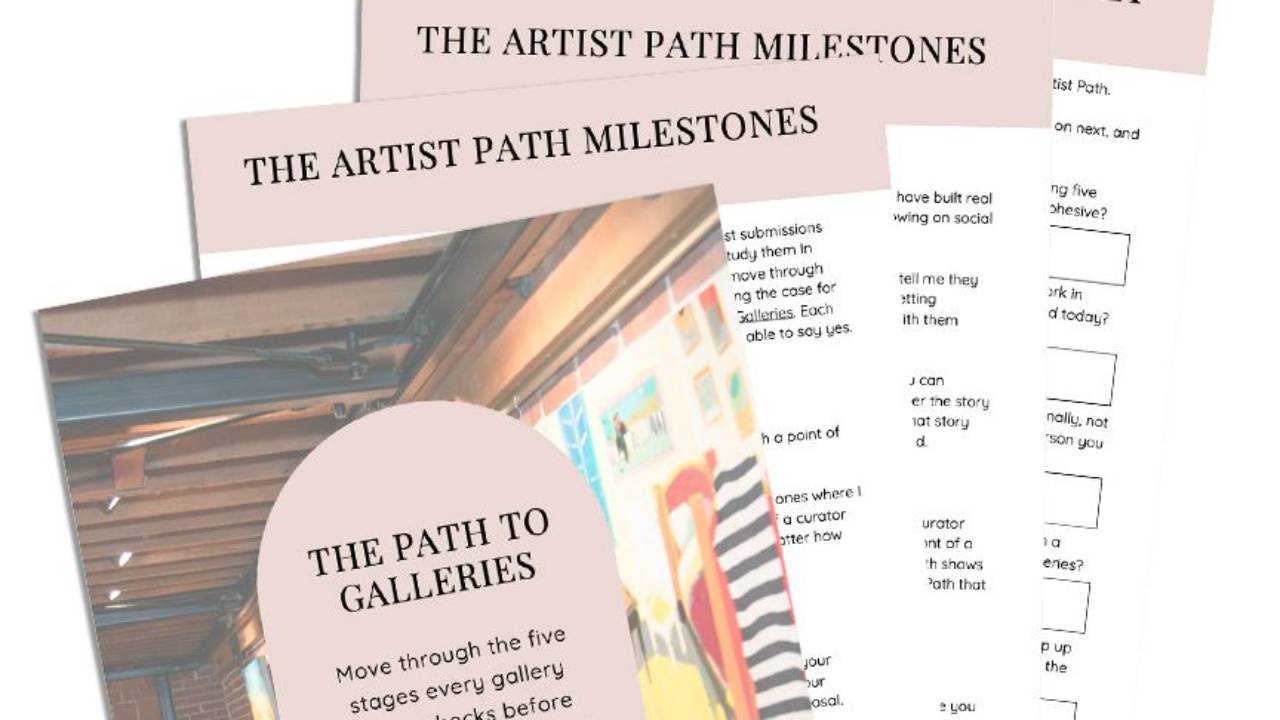
Gateway to Galleries guides artists through the 5 stages of preparation: Creator, Organized, Connected, Exhibited, and Represented. Each stage gives an artist a clear next step, so the materials are presented in the order a gallery expects to see them. The artist I mentioned above had completed the Organized stage, and he was ready.

I believe local artists can be empowered to bring transformation to those around them, and galleries always have a place when artists need the additional exposure and retail storefront space to reach more targeted audiences.
Art deepens one’s life experience, and it starts with an artist who is ready to be seen.
Tell me in the comments what you most want to know about what a curator assesses from artists. If you are an artist ready to build your path into galleries, visit GatewaytoGalleries.com.
To inspiring spaces and living with art,
Sonya Sparks
Next Steps: Take the Free 10 Minute Gallery Test
Galleries are already looking at your Instagram feed. Learn why they pass by your feed, and next steps to fix it.